How to Look at One Historic Building for an Hour
You can learn a surprising amount about a place without entering a museum or following a long architectural route. Choose one older public building, station, school, theater, library, or apartment block and give it a full hour. The aim is not to identify every style or date. It is to notice how the building was designed, how it has changed, and how people meet it today.
First, walk around without taking notes
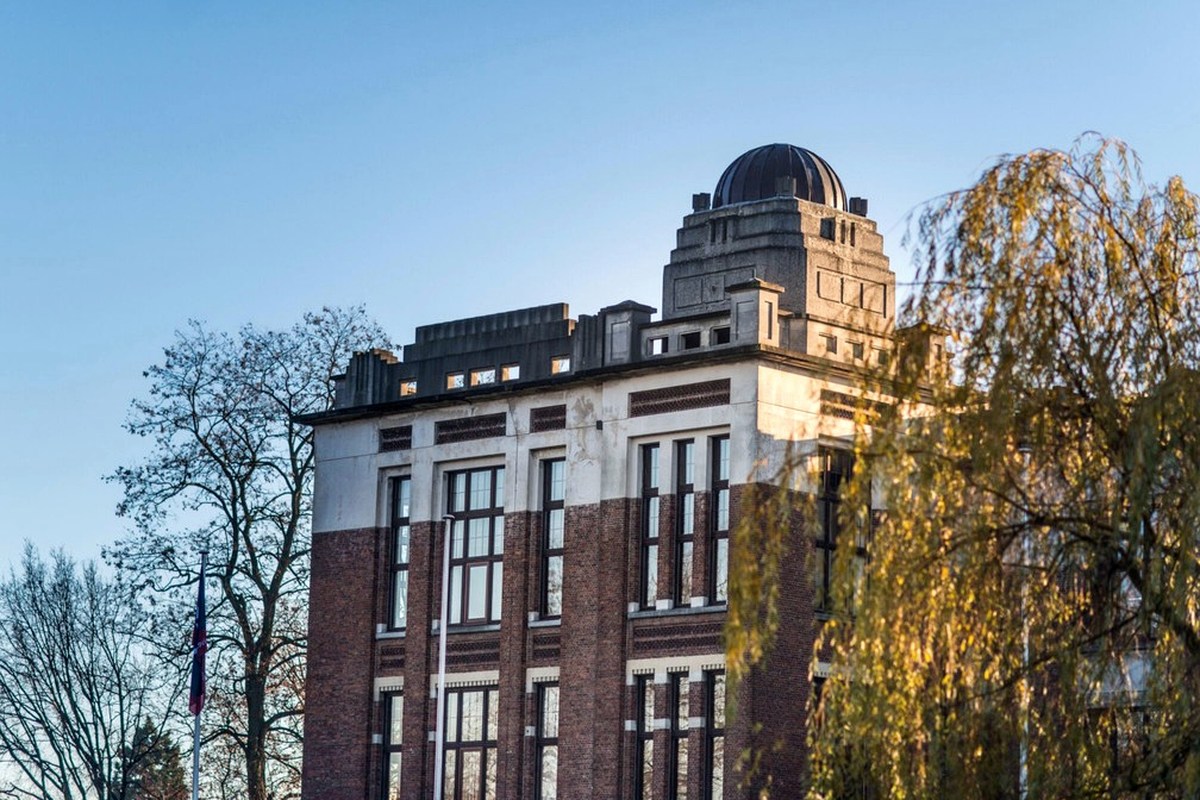
Begin with one complete circuit if the streets allow it. Look at the building from across the road and from close to the wall. The change in distance matters: from far away you notice silhouette and proportion; from nearby you notice joints, repairs, handles, stone, brick, paint, and glass.
Try to identify the side that feels most formal. It may have the main entrance, the strongest symmetry, or the richest decoration. Then compare it with the quieter sides where service doors, extensions, vents, or later repairs are more visible.
Follow the materials
Pick two or three materials and trace where they appear. Stone may be used only at the base and around openings. Brick may change color where part of the wall was rebuilt. Metal railings and window frames may belong to a later period than the original structure.
You do not need technical vocabulary to make useful observations. Words such as smooth, rough, heavy, reflective, repaired, repeated, narrow, deep, or weathered are enough to record what you see.
Look closely at the entrance
Entrances are where architecture becomes practical. Notice how many steps there are, whether the door is recessed, how people are protected from rain, where signs have been added, and how the threshold has been adapted over time. A modern access ramp beside an older staircase can tell you as much about the life of the building as an original carved doorway.
Find evidence of change
Historic buildings are rarely frozen in one moment. Look for blocked windows, new glass, patched stone, mismatched bricks, modern lights, repaired roofs, added cables, or a section where the wall line changes. These details are not flaws in the experience; they are the visible record of use.
If there is a public information plaque, read it only after making your own observations. It is more interesting to compare the official history with the clues you noticed first.
Step back and include the street
For the final fifteen minutes, stop treating the building as an isolated object. Watch how people approach it, where bicycles are parked, which trees interrupt the view, how traffic moves past, and whether nearby buildings copy or contrast with it.
A single structure can organize an entire corner or disappear into a dense street despite its age. That relationship is often what gives the place its atmosphere.
Leave with three notes
Before you go, write down only three things: one detail you would show someone else, one change you think happened after the original construction, and one question you still have. Those three notes are enough to make the hour memorable without turning the visit into homework.
Returning in a different season or at another time of day can reveal a different building. Shadows move, trees hide or reveal façades, and entrances become busier or quieter. The exercise works because the subject stays still while your attention changes.